
From ‘I’m Writing a Book’ to Published Author: How Bootstrapping a Book led to My Dream
Three years ago, I published a blog post titled “I’m Writing a Book.”
It was October 2022. I had realised that my writing could help someone, but I was terrified to tell anyone.
What if I never finished?
What if it was rubbish?
What if no one cared?
Today, I’m writing this post as a PUBLISHED AUTHOR.
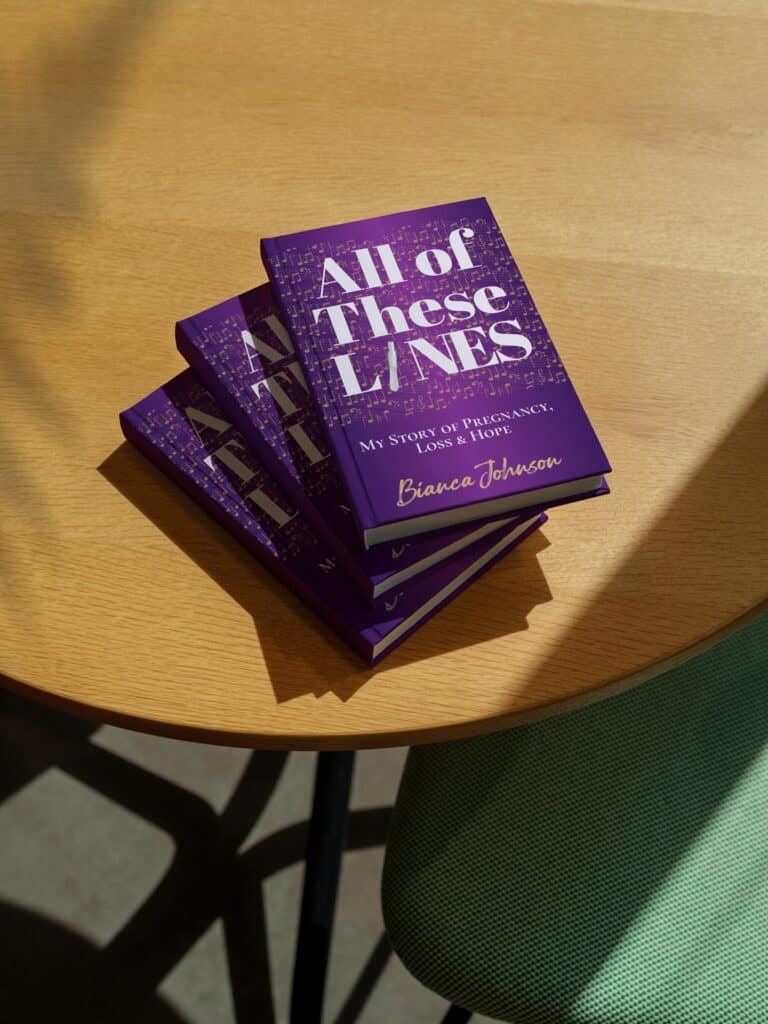
All of These Lines: My Story of Pregnancy, Loss and Hope is available on Amazon, Publisher.co.za, and everywhere books are sold.
And I did it entirely on my own, with tools I already had, without spending a fortune. I have spent most of 2025 bootstrapping a book into being.
Here’s what happened in those three years, and what I learned about bootstrapping a book from manuscript to published memoir.
From Draft to Published: The Timeline
In October 2022, I made the decision to turn my 365 days of journaling into a book. Over the next few months, I met with an editor/book coach to figure out the structure, the tone and purpose of the book. There was a lot of deep thinking and discussions around what would actually make it into the book. All along I knew that my audience for this first book would be for loss-parents navigating the grief and big emotions around pregnancy loss. I worked with that editor for a few months, and then realised that we were not aligned in the direction the book should take.
Most of 2023 was spent writing, rewriting, moving content around and trying to decide what the order of stories was going to be. I was actively being coached in various containers, and I was finding myself as well. In August 2023, we moved house and writing too a bit of a back seat as we focused on settling us and the family into a new environment.
In October 2023, I started working with a different editor and book coach who was far better aligned with my goals for the book. Together we finalised the structure of the book – the chronological flow – and we began editing actively and really honing in on my voice and how I wanted to tell my story.
2024 was a year of change and upheaval for me, and so once again writing took a back seat as I tried to figure out the direction my business interests, my family, my writing and my life were heading in. Due to the turmoil in my life, there was a lot of emotional baggage coming up for me. I deakt with a lot of that through my writing. I continued my journaling practice, but editing and working on my book was less of a priority.
As the end of 2024 approached, I realised that once again I had missed my hoped-for publishing date.
I always knew I wanted my book to be published in October because it is Pregnancy and Infant Loss Awareness Month, and that made the most sense for me. As I worked on finding my word for the year for 2025, I settled on “Story“.
2025, my year of Story, became completely and fully focused on getting my book out into the world. I committed in writing to a number of people that my book would be out in October 2025, and I put everything into making that happen. There were distractions along the way, but ultimately my book was live and published by the beginning of October 2025.
Some of the things that helped drive me to self-publish include:
- Hearing Leonie Dawson say in her course that I hated pregnancy-loss parents because I was keeping my story to myself.
- Realising that perfectionism was going to keep me going round and round in circles
- My fear of being vulnerable and sharing my story so publicly kept my support from people who desperately needed it.
- Acknowledging that the thing I say to my tech clients applied to me as well – “Published is better than perfect”
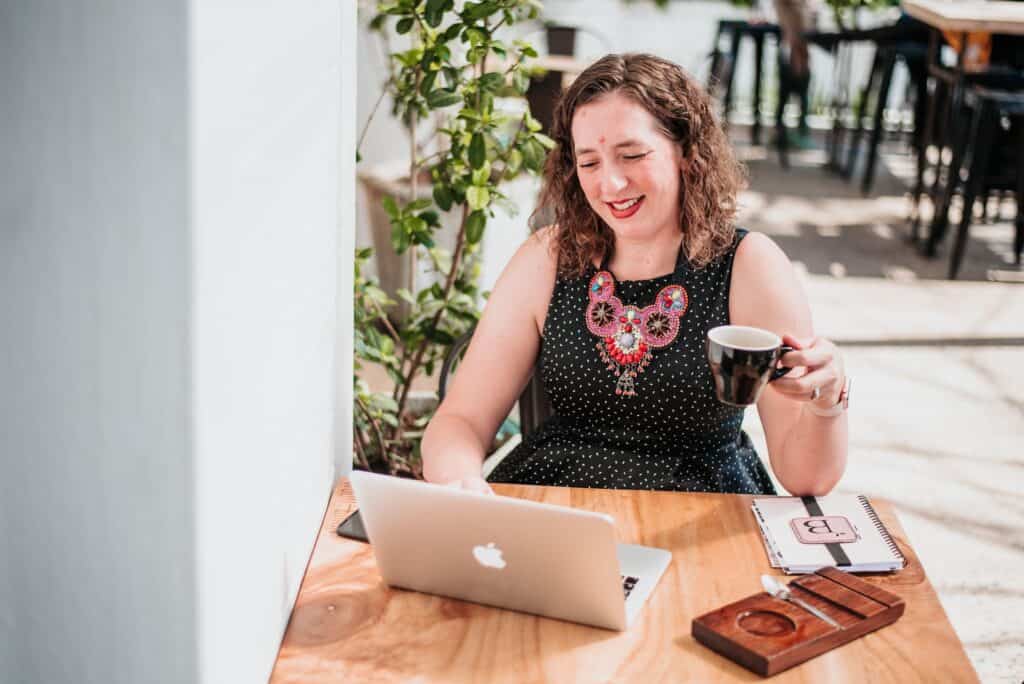
How I Self-Published Without Breaking the Bank
Here are the tools and services I used and how I made them part of my system.
Diarly App (part of SetApp) – a phone and computer app that provides journaling prompts. This was where my journaling started in 2021 and where I realised that there wasn’t a need for me to write with pen on paper for it to be called journaling. This was pivotal in me getting my words out.
Google Docs – The place that I initially pulled all my journaling into and organised my words into the potential for a book. I also used Google Docs to collaborate with both my editor/book coaches when I was working with them. Free with an @gmail account, but I have a Google Workspace account for my business.
Ulysses App – a Mac app designed specifically for writing and organising your writing. This became the core place where I finalised my manuscript. I was able to move stories around, change where things were in the flow and quickly see where things were working or where they weren’t. I could also export sections of the book, which made for better editing. Initially I had a subscription through SetApp, but I bought my own license as a commitment to myself and my writing process.
Canva Pro – I used Canva for designing my cover images, my promotional images and the images used inside the book. I also used Canva for designing the Companion Journal and other additional products. Honestly, I don’t know what I would do if I didn’t have Canva. I already had a subscription for my other business.
Affinity Designer and Publisher – Two products in the suite of three that I used extensively for the layout and design of my book. Affinity is a competitor to Adobe Illustrator. I love the fact that it’s a once-off purchase and you own the software – pretty hard to find in 2025.
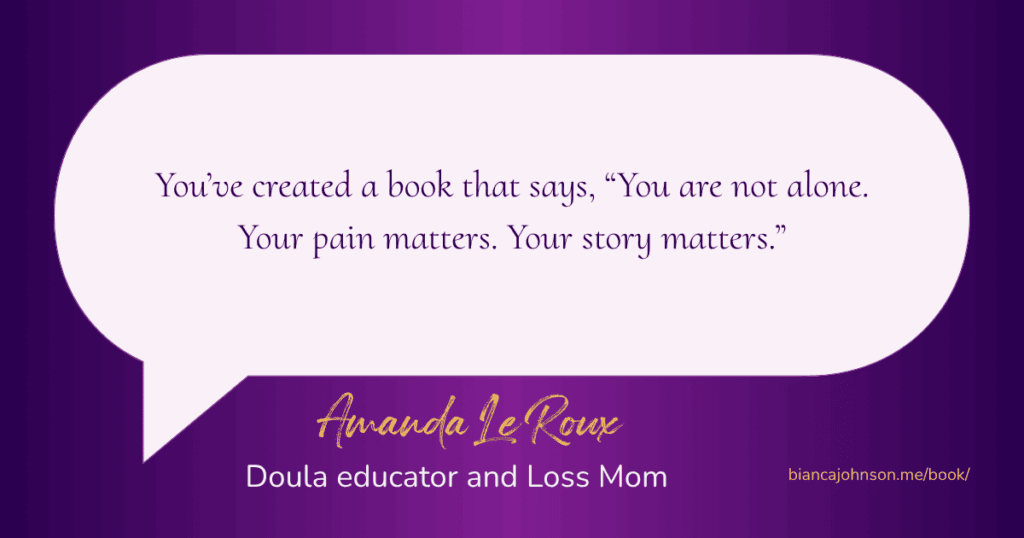
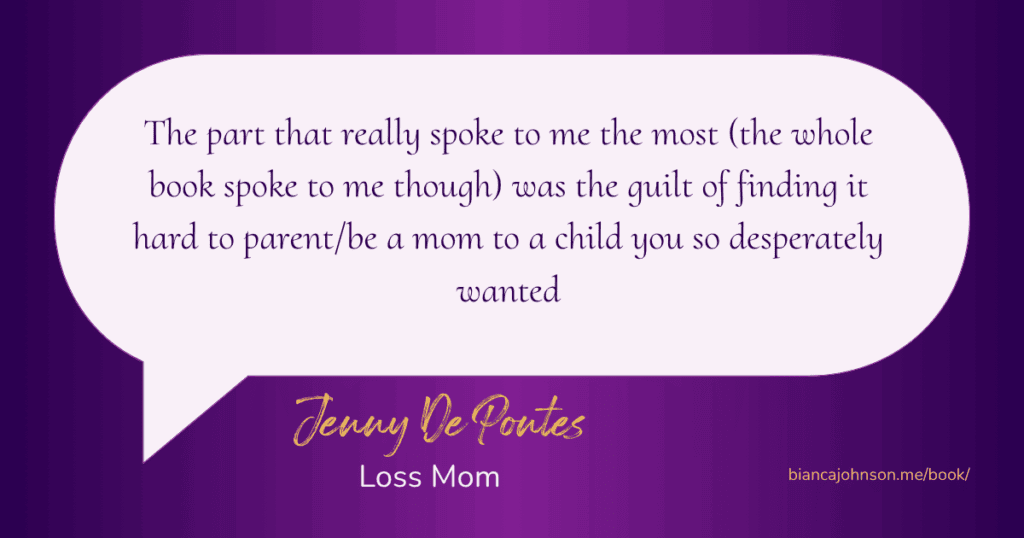
Beta Readers – I asked friends and people inside my loss-parent community to read the book in it’s almost-final draft and give feedback. This helped me get an idea of what worked and what didn’t. It also reminded me that what I was sharing was important. This is some of that feedback:
Amazon KDP, Ingram Spark, Draft2Digital and Publisher.co.za to self-publish my book on my own. Amazon KDP provides international print-on-demand services in the US, UK, Europe, Australia and Japan (amongst others), as well as running the Kindle Store. Ingram Spark provides global distribution options for self-publishing authors. Draft2Digital offers eBook distribution to a wide variety of platforms, including Everand and Apple Books. Publisher.co.za is the company I chose for my print-on-demand options for South Africa. There was a small set-up fee, but it was worth it to have the ability for my local audience to be able to get a physical book.
ISBN Application – I did this myself through the South African National Library system. It was free to do, and then I used a free online converter to create my barcode from the ISBNs I received. The only cost is delivering copies of your book to the repository.
My Skills – Years of running a tech virtual assistant business mean that I have been exposed to all sorts of design, marketing and other industries. I used all of these in the process of self-publishing my book. I also have honed my Google-Fu and YouTube rabbit hole skills during this process.

Here are the things I didn’t use
Professional Editor – not in the final editing phase. I did have my book coach in my head while I edited the final draft, as I had worked with her for a few months and she reminded me of the same things over and over.
Professional Designer or Typesetter – I used a combination of Canva templates, Affinity layouts, my own design skills and YouTube videos to help me get everything set up correctly. Would I outsource this to someone else in the future. Absolutely! I have so many v1.xx sitting in my documents folder.
Publicist – self-publishing literally means taking this all on yourself. I have a background in online marketing, so I built my own website, am building up my own social media platforms, and I’m doing a lot of my own marketing and outreach. Is this something I’ll pay for in the future? Without a doubt.
Launch Team – I am leveraging my own network, my skills learned in running launches for other coaches in my previous work, and ensuring that I show up in the communities that need my book most. Would this have made things easier? Yes. Will I create a team in the future? Also yes.
Paid Ads – At this stage, I am doing everything organically. Will I pay for ads at some point? Yes probably. Do I feel I need them right now? Nope.
I have spent some money – on apps, on coaching, on workshops – but it’s far from what it could have cost me to get my book out into the world.
Was it perfect? No.
Was it professional? Yes.
Is it helping people? Absolutely.
Lessons from Bootstrapping a Book
1. Published is better than perfect
I say this to my clients all the time, and yet I let perfection hold me back a little bit. I could have edited for another year. But loss-parents needed this book now, not when it was “perfect”. I can always release updates to the book at a later stage.
2. Your skills are valuable
My years as a tech VA meant I could format, design, and build everything myself. Your skills matter – use them! Also you can learn so much from free and affordable options nowadays. YouTube was definitely my friend, and I got a lot of help from AI in finding the best ways to set things up.
3. Community is everything
I would never have started journaling and finding my words were it not for the amazing communities that I am part of. My early readers were people who have walked part of my journey with me and gave me so much invaluable feedback and support. Members of my online support groups who held me in the tough moments and provided feedback when I needed it. My networking circles, both in person and online, who gave me advice, referrals and unwavering support. The friends who regularly checked in and asked when the book was going to be ready. All of these people championed this book before it existed.
4. You don’t need permission
Not from publishers, not from “experts,” not from anyone. If you have a story to tell, tell it. And if you’re still struggling (like I did for years), then this is your permission. You have permission to tell your story.
5. Imperfect action beats perfect inaction
I was scared. I published anyway. And it’s helping people. I felt like an imposter. I published anyway. My words have helped people.
6. Bootstrapping is empowering
I own everything. I made and make all decisions. I keep the profits. That matters. I can fund more team members and more support moving forward, but having done the whole process myself I can now confidently say that I know this side of writing inside and out.
7. Committing to yourself out loud is vital.
I had to tell everyone that I was publishing this year in order to keep myself accountable and it made the biggest difference. Committing to yourself is priceless!
If You’re Thinking About Writing and Self-Publishing Your Book
Here are a few things that you don’t need:
- A huge budget
- A publisher’s approval
- Fancy software
- Professional everything
These are the things you do need:
- Your story
- Willingness to be vulnerable
- Time and commitment
- Community support
- Tools you probably already have
Is it easy? No.
Is it worth it? Absolutely.
If you’re a loss mum with a story to tell, or you’re navigating any kind of profound grief – your words matter.
The world needs your story.
Start writing. Even if it’s messy. Even if you’re scared.
How the Book Fits Into My Business
All of These Lines isn’t just a book. It’s the foundation of my empowerment coaching business.
Now I’m building the next dream: supporting loss parents through 1:1 coaching, speaking on stages (TEDMed, here I come!), and creating a global community of healing.
Here’s how it works:
NAVIGATE: The book is a self-guided tool. Read it, use the journaling prompts, try the practices on your own. It’s designed for people who want to heal at their own pace with expert guidance (mine!) but without 1:1 support. It’s also the perfect entry point to my world.
TRANSFORM: If you read the book and think “I need help with THIS specific chapter” or “I want to go deeper on this tool,” you can book a Transform Call (£97) – a one-off session where we work through whatever’s coming up for you. No long-term commitment. Just targeted support when you need it.
THRIVE: And if you realise you’re ready for deep, sustained transformation – that’s where my coaching programmes come in. RAINBOW (group coaching, launching Early 2026) or The Empowered Grief Intensive (1:1 premium support).
The book meets you where you are. The coaching takes you where you want to go.
It’s all part of the same journey: Navigate, Transform, Thrive.
Want to start? Grab the book: biancajohnson.me/all-of-these-lines
What This Means for You
If you’ve lost a pregnancy and are reading this:
Start with the book. Use the tools. Try the journaling prompts. See if my approach resonates.
Need more support? Book a Transform Call (£97) – one hour to work through whatever’s coming up.
Ready for deep work? Join the RAINBOW programme waitlist (launching early 2026) or apply for 1:1 Empowered Grief Intensive.
You don’t have to figure this out alone.
And you don’t need a huge budget to start. The book is R385/$21.99. The free journaling guide is… free.
Begin where you are.
Navigate at your own pace.
Transform when you’re ready.
Thrive when the time comes.
Your journey is yours. I’m just here to light the way.
Thank you for being part of this journey.
Your story matters too. 💜

Ready to Find Yourself Again After Pregnancy Loss?
Sign up for the series for FREE. Join at any time and receive the daily emails to guide you back to yourself.
Connect on Socials
You can also connect with me on Facebook, Instagram or LinkedIn where I share more about finding peace, embracing your truth, and living an anti-hustle life.
